Finding the Best Jazz Clubs in Lisbon
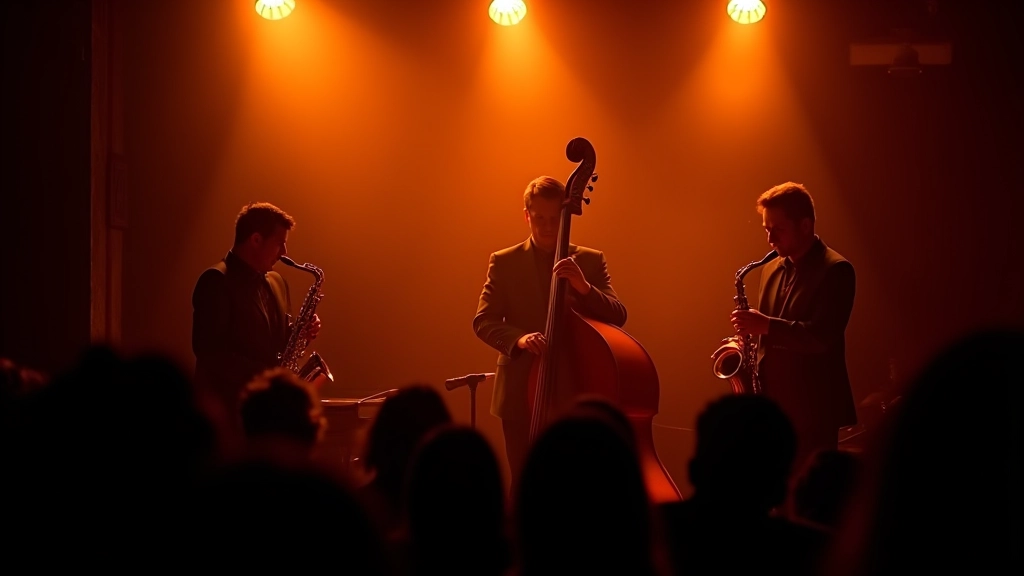
A practical guide to the city’s top jazz venues, from hidden gems in Alfama to modern jazz spaces. Discover where to experience world-class performances in Portugal’s capital.
Read MoreDiscover the history, emotion, and cultural significance of fado — the melancholic music that captures the Portuguese spirit
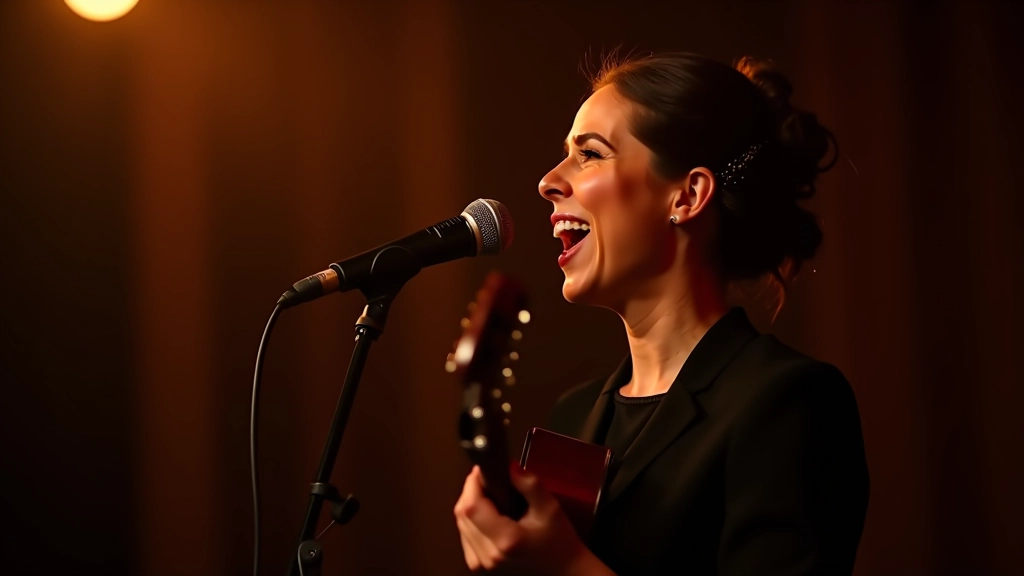
If you’ve ever walked through the narrow streets of Alfama in Lisbon after sunset, you’ve probably heard it — that haunting, soulful voice drifting from a small tavern. That’s fado. It’s not just music. It’s the sound of longing, loss, and love all wrapped into one deeply emotional experience.
Fado emerged in the early 1800s, born from the working-class neighborhoods of Lisbon. It blends influences from African rhythms, Arab melodies, and Portuguese folk traditions into something uniquely melancholic. The word “fado” itself comes from the Latin “fatum,” meaning fate — and that’s exactly what this music is about. It’s about accepting life’s sorrows with grace.
Today, fado’s popularity has grown beyond Portugal’s borders. You’ll find fado appreciation evenings in concert halls across Europe, and more people than ever are discovering this profound musical tradition. Whether you’re 25 or 65, the emotional pull of a great fado performance transcends age and background.
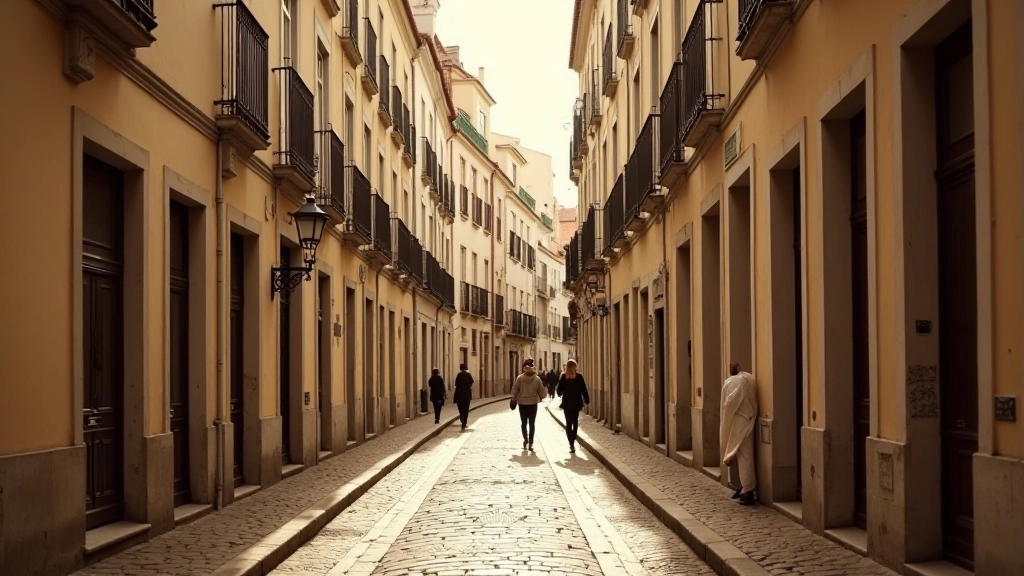
Fado wasn’t created in a concert hall. It was born in the taverns and humble homes of Alfama, the oldest neighborhood in Lisbon. In the early 1800s, the district was home to sailors, fishermen, and working families who’d gather to share songs and stories. These weren’t polished performances — they were raw, honest expressions of daily struggle and heartbreak.
The early fadistas (fado singers) were mostly women. They’d perform in small venues called tascas, singing about unrequited love, poverty, and the bittersweet nature of life. What made fado different from other folk traditions was its intensity. These weren’t cheerful work songs. They were deeply introspective, almost confessional.
By the 1920s and 1930s, fado had gained legitimacy. Famous singers like Amália Rodrigues brought the genre to international audiences. She performed in prestigious theaters and won the hearts of audiences worldwide. Her 1950s recordings helped fado reach listeners across Europe and America, proving that this neighborhood music had universal appeal.
A authentic fado performance always includes three core components working together:
The singer — traditionally called a fadista — must convey profound emotion. You’ll hear a distinctive vocal quality: sometimes breathy and intimate, sometimes soaring with intensity. The voice isn’t technically trained in the classical sense. Instead, it’s trained to express saudade — a Portuguese concept meaning a deep, nostalgic longing that can’t quite be fulfilled.
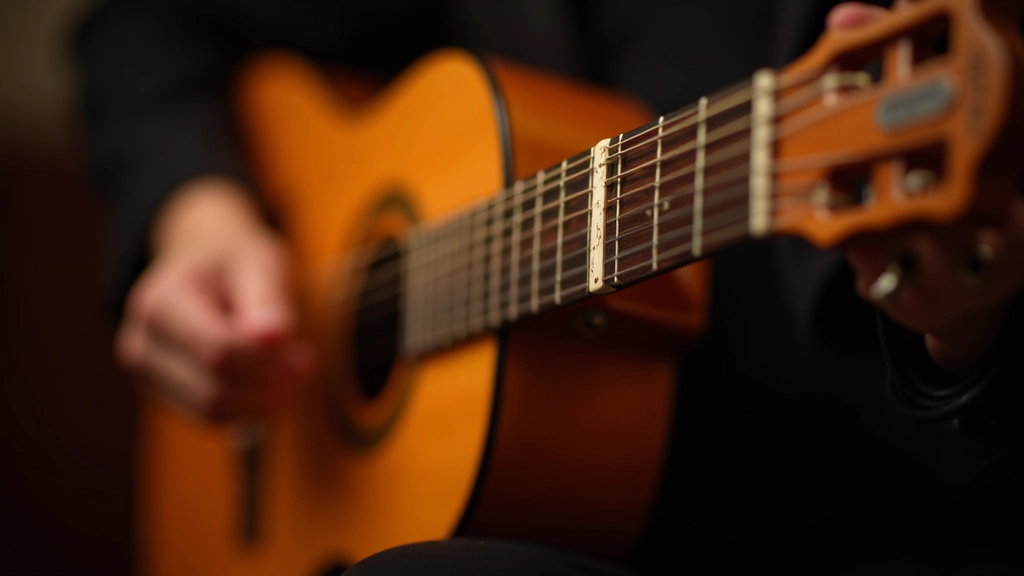
The fado guitar is a smaller, 12-string instrument with a distinctive bright, metallic sound. It’s not the same as a classical or flamenco guitar. The player — the guitarist — provides intricate fingerpicking patterns that weave between the vocal melody. These aren’t simple accompaniments. They’re complex musical conversations between voice and instrument.
Fado lyrics explore themes of loss, love, hardship, and resignation. They’re poetic and often reference Lisbon’s geography or daily struggles. Many traditional fados tell stories that listeners could relate to — lost loves, poverty, aging, the passage of time. Modern fado artists have expanded themes, but the emotional depth remains constant.
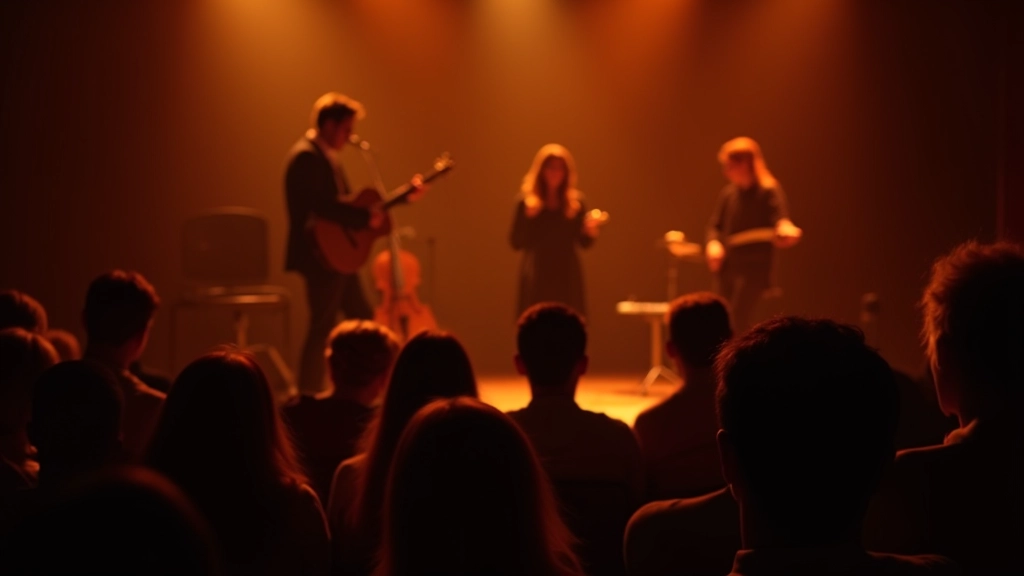
Listening to a fado recording is one thing. Being in the room when a fadista performs is completely different. There’s an intimacy that can’t be captured on a speaker. You’ll notice the audience doesn’t applaud after every song — there’s a respectful silence, a space for reflection.
In traditional fado venues — the tascas — you’re sitting close to the musicians. The singer might lock eyes with you. The guitarist’s fingers move with practiced precision just a few feet away. The emotions they’re expressing aren’t performed for a distant audience. They’re shared directly with everyone in the room. It’s vulnerable. It’s honest. And it’s often deeply moving.
Many people describe their first live fado experience as transformative. Even if you don’t speak Portuguese, even if you’ve never heard fado before, the emotional language is universal. The sorrow, the yearning, the acceptance — these feelings transcend words and culture. That’s why fado continues to draw audiences from around the world to small venues in Lisbon and to concerts in major cities across Europe.
Fado isn’t stuck in the past. Contemporary artists are evolving the tradition while respecting its roots:
Some musicians remain committed to the classic fado sound — acoustic guitar, minimal arrangement, lyrics about timeless themes. These performers honor the genre’s origins and ensure that traditional fado knowledge isn’t lost.
Younger artists blend fado with jazz, classical, and world music influences. They write songs about modern themes — technology, migration, identity — while maintaining fado’s emotional core. This fusion helps fado reach audiences who might not otherwise encounter the tradition.
International musicians have begun incorporating fado elements into their work. Jazz clubs in major cities now feature fado-influenced performances. UNESCO recognized fado as a Masterpiece of the Oral and Intangible Heritage of Humanity in 2005, cementing its global cultural significance.
In a world that often demands constant positivity and productivity, fado offers something different. It validates sadness. It celebrates the beauty in longing. It reminds us that life’s difficulties aren’t failures — they’re part of the human experience worth acknowledging and honoring through art.
Whether you’re attending your first fado evening in a Lisbon tasca or joining a community group discovering fado in your own region, you’re connecting with centuries of tradition. You’re joining countless listeners who’ve found solace, beauty, and meaning in this extraordinary music.
Start with recordings from classic artists like Amália Rodrigues, then explore contemporary performers. If you’re in Portugal, visit a traditional fado venue. If not, search for fado appreciation evenings in your city — this beautiful tradition is spreading worldwide.
Discover More Live Music EventsThis article provides educational information about fado’s history, cultural significance, and contemporary practice. The details shared represent widely documented aspects of fado tradition and history. Individual experiences with fado may vary. For specific information about particular artists, venues, or events, we recommend consulting official sources or reaching out directly to cultural organizations in Portugal.